
Tag: Mae Rim

  • Elephant POOPOOPAPER Park: What Dung Can Do

    Elephant POOPOOPAPER Park: What Dung Can Do

    Yes, you read that right — elephant poo poo. And yes, it’s fascinating.

    Located in Mae Rim, just about a 30-min drive from Chiang Mai’s Old City, Elephant POOPOOPAPER Park is one of those quirky, unexpected places that turns into a surprising highlight — especially if you’re travelling with kids (or adults with a good sense of humour).

    It’s a refreshing change of pace from temples, flowers, or markets — and it’s educational, sustainable, and genuinely fun!

    So… what exactly is it?

    When planning my trip to Chiang Mai, I knew I wanted to skip the typical elephant park visits and performances. Yet elephants are quite central to Northern Thailand and Chiang Mai, so it’ll be remiss if there wasn’t some kind of elephant experience. That’s when I came across this park, which I found quite interesting, a park that makes paper out of elephant dung.

    Sounds gross? A little. But also intriguing, right?

    This eco-friendly outdoor museum and workshop shares with visitors how elephant dung is transformed into chemical-free, usable paper — and lets you try making some yourself!

    Elephant PooPooPaper Park

    Did you know?

    • Elephants eat a lot of fibre and digest only about 45% of it.
    • The undigested fibre in their dung is perfect for papermaking.
    • Just 50kg of dung can produce around 125 sheets of A4 paper.

    It sounds weird (and yes, maybe a little gross), but the process is completely hygienic (they wash and boil everything multiple times) and genuinely impressive. And it doesn’t smell — seriously!

    This is thanks to their vegetarian diet. Hmm… consider a vegetarian diet, anyone?

    Still… dung as paper, really?

    Thailand isn’t alone in this eco-innovation. Among some of the countries are India, Sri Lanka and Kenya. In Uganda, a group of women have been trying to combat poaching by turning elephant dung literally into a treasure – paper, and a livelihood.

    Elephant POOPOOPAPER is one of the most environmentally-sound papers made today. Following its success, the park has also added paper made from the dung of cows, horses and donkeys. Now that’s sustainability for you!

    All that processed paper is made into eco-friendly products like stationery collections and gift items like bookmarks, photo albums, cards, paper pads etc, which make for unique, earth-friendly souvenirs.

    It’s chemical-free, organic, sustainable, innovative and fun!

    According to their website, its pulp is composed totally of natural materials. About 85% come from elephant, cow, horse or donkey poo fibres, with the remaining 15% from waste agriculture bi-products, like coconut shell fibres, banana stocks, corn husk fibres and sugar cane.

    What to expect

    The experience is a hands-on, interactive experience, especially fun for kids. A friendly guide walks us through each step of the papermaking process:

    • Collection and cleaning – Learn how the fibres are washed and boiled.
    • Pulp preparation – Mix the mushy fibres into pulp. We had some fun and laughter doing this!
    • Sheet forming – Scoop, flatten, and spread the pulp into thin paper sheets.
    • Drying and decorating – Introduces the natural dyes that can be added to create patterns or colours to the paper.
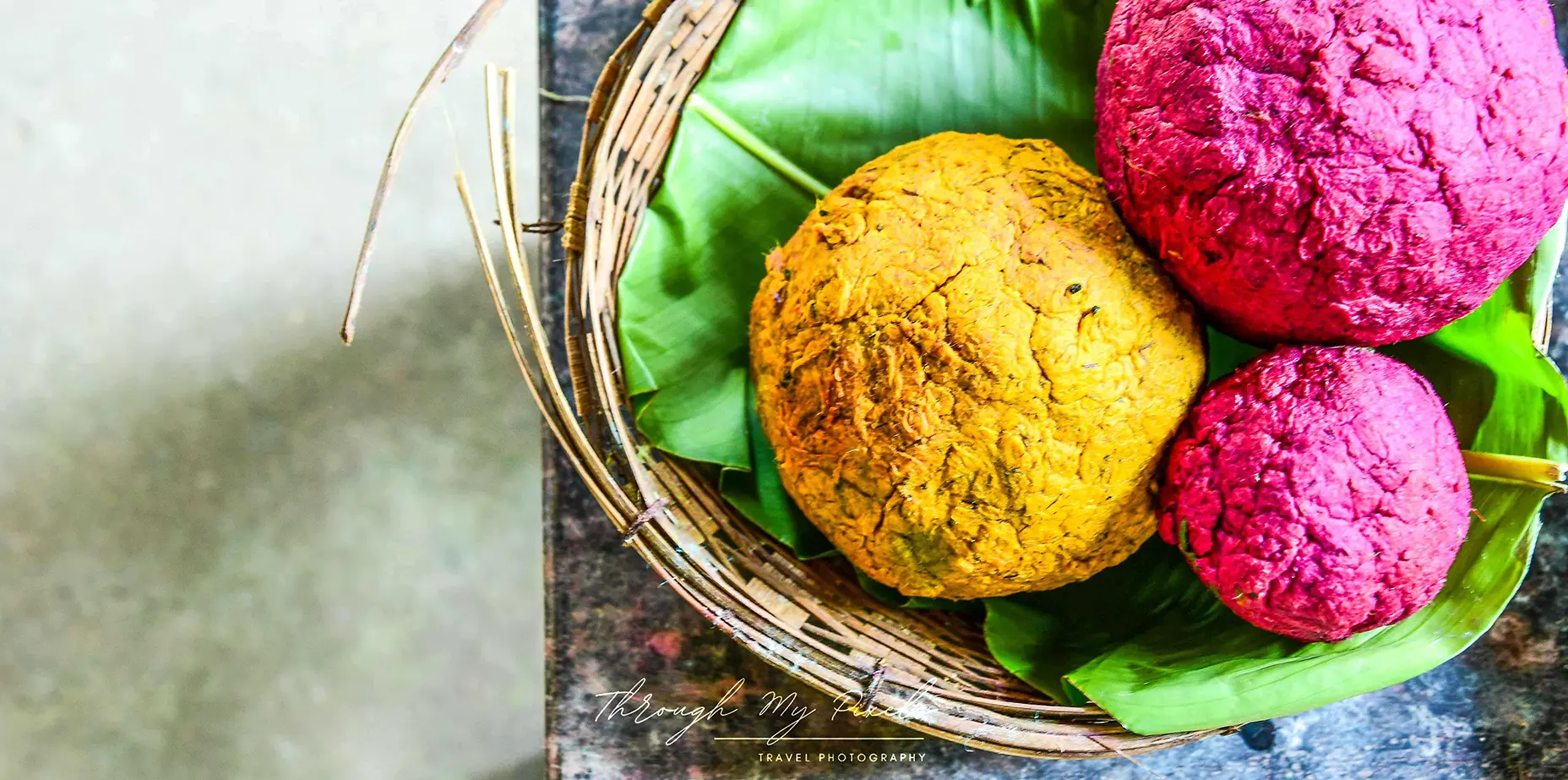
    Dye, paper cutouts, dried elephant poo

    There are also fun DIY craft stations where you can make greeting cards, notebooks, or even little poo-paper elephants to bring home. They also have an art studio workshop if you want to flaunt your artistic flair! (Note: additional fees apply for both activities.)

    Check out this cute and informational YouTube video by kids on their visit to the park!

    Worth a visit

    • Eco-conscious and educational – Great way to teach kids (and adults) about sustainability.
    • Something different – A break from flowers, temples and markets, with lots of laughs and fun photo ops.
    • Great gift shop – Full of pretty and well-designed paper products.

    F.Y.I.

    • Opening Hours: 9am – 5pm daily
    • Entry Fee: 150 THB/pax, free for kids below 5 (includes the guided tour)
    • Duration: Allow about 1hr or more for a relaxed visit. Guided-tour takes about 40min.
    • Location: 87 Moo. 10, T. Maeram, A. Maerim, Chiang Mai 50180 Thailand
    • Tours available: English, Thai and Mandarin.
    • Tip: Book online in advance for guaranteed slots.

    Ready to see what dung can do?

    Elephant POOPOOPAPER Park is a fun and interesting place that’s certainly worth a visit, not just for children but for adults too. It’s a chance to laugh, learn, and appreciate sustainability in a way you probably never expected.

    And hey — not everything needs to be pretty to be photographed, right? Sometimes, the best travel memories come from the unexpected and the unusual.

    So go ahead, book your ride there or check out Viator and Pelago for a bundled tour with the Sticky Waterfall or the Karen Long Neck Hill Tribe Village.

    This post may contain affiliate links. If you click on them and make a purchase, I may earn a small commission at no extra cost to you. Thank you for your support!
  • Be enchanted, with Mae Rim

    Be enchanted, with Mae Rim

    Mae Rim offers a different vibe from Doi Inthanon National Park and Mae Kampong.

    A little north of the Doi Suthep mountains, Mae Rim is known for its gorgeous mountain views, natural attractions, and a slower pace of life. Up here, you’ll find everything from flower farms and cafes to glamping resorts tucked into the hills. The region is also home to the indigenous Hmong people, adding cultural depth to the natural beauty of the place.

    Mae Rim
    Dried chilli
    Chiang Mai locals
    Chiang Mai locals

    I think young couples and newlyweds can consider spending a night glamping here. Waking up to the sounds of birds, catching the sunrise and enjoying a breathtaking view of the mountains and valleys. It certainly makes for a romantic getaway!

    But alas, we were travelling with a big group of seniors and children, so glamping was out of the question. But hey, Mae Rim still has lots to offer!

    Where is Mae Rim?

    Mae Rim is just 25km to 30km away from Chiang Mai’s Old City, making it much closer than Doi Inthanon and Mae Kampong. As you can tell by now, the Old City tends to be the base, where many do their day trips from.

    Once again, I would advise booking a private hire car or van if you are not driving. Or consider joining a small group tour. The ride up is rather winding but scenic.

    There are lots to see at Mae Rim. The Mon Jam area is where you will find many farms and flower gardens. The Queen Sirikit Botianic Garden is also a highlight with canopy trails, glasshouses with tropical plants and forested walking paths. There’s also the Mae Sa Waterfall, which is a very popular spot with the locals and makes for a nice stop for a picnic or a short hike. Taking advantage of its scenic location, there are also many lovely cafes with outdoor seating to chill and enjoy nature’s gift.

    So, where do we start? We couldn’t cover everything, but here’s what we managed to visit:

    I’ve plotted the locations in Google Maps below, including the directions for easy reference. The ride from the Old City to Pang Hwa Flower Garden takes about 50min to an hour.

    Mon Jam

    A highlight of the Mae Rim district is Mon Jam (also spelled Mon Cham). This beautiful mountaintop area at 1,300m above sea level is known for its cool weather, panoramic views and agricultural projects.

    On a clear day, you’ll see layers of misty hills, green terraced farms and a sky that… seems to go on forever.

    Once a quiet Hmong village, Mon Jam began transforming into a travel destination thanks to the Royal Project Foundation, which helped locals shift from slash-and-burn farming to sustainable agriculture. Today, you’ll see farms growing strawberries, cabbages, herbs, and flowers, as well as small local cafes, food stalls, and homestays scattered along the hillside. The area also has skywalks, zip-lines, and ATVs for those looking for a bit of light adventure.

    Mon Jam glamping and homestays
    Mon Jam glamping resorts

    Mon Jam is also where you will find glamping resorts. There are more than 20 glamping sites. Homestays are also available if you want to experience staying with the locals.

    This post may contain affiliate links. If you click on them and make a purchase, I may earn a small commission at no extra cost to you. Thank you for your support!

    Pang Hwa Flower Garden

    This wasn’t on our original itinerary. We had planned to visit Jin Ju Orange Farm but it was closed — so our driver suggested Pang Hwa Flower Garden instead. And OMG, what a great suggestion it was!

    Tourist admiring Mae Rim

    Did you know that there are reportedly 13 or more flower farms in Mae Rim, particularly around Mon Jam. For flower lovers, it’s an absolute paradise. That said, I don’t think you need to cover them all — even if you love blooms. And it also depends on when you visit.

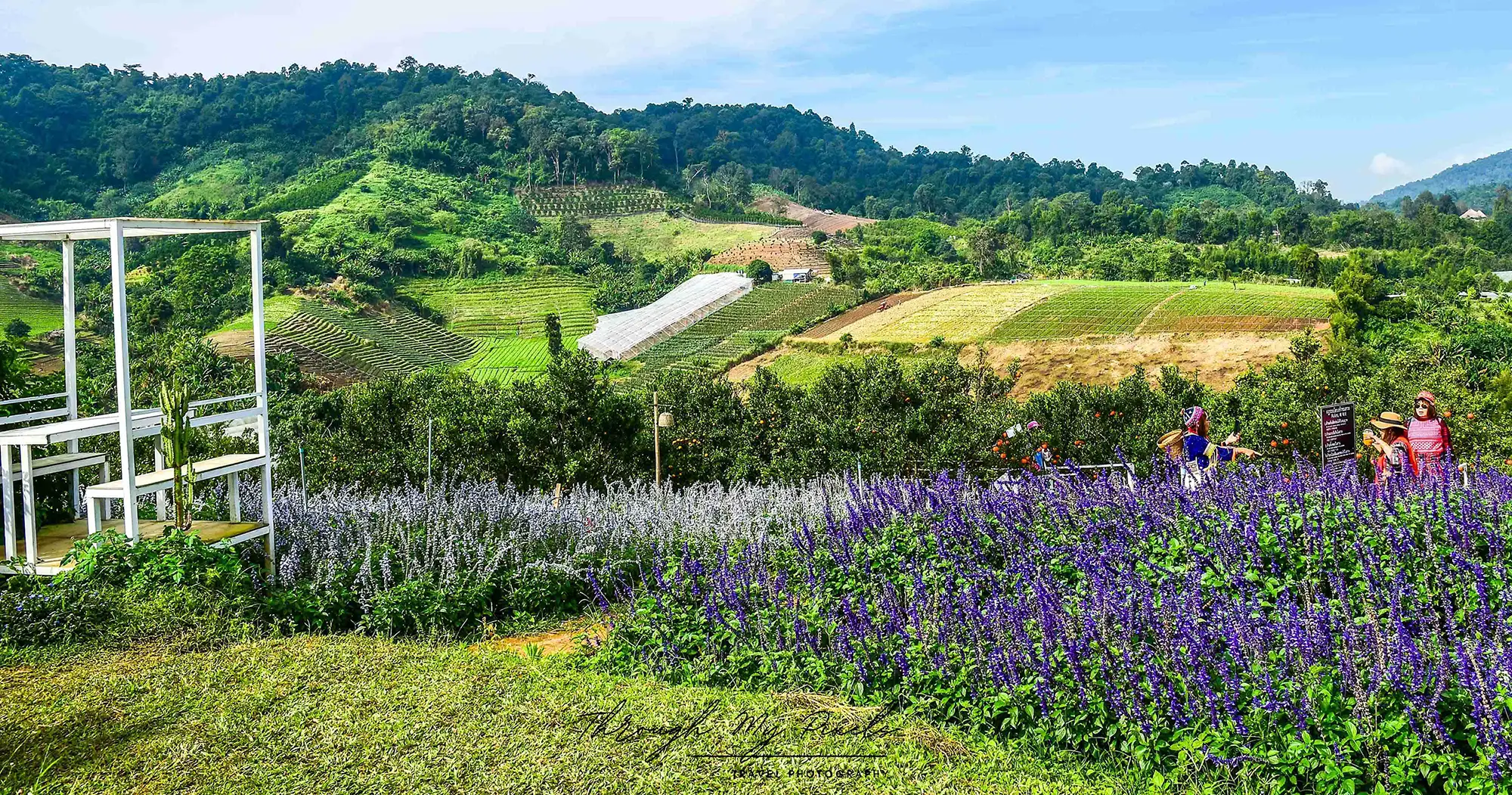
    Pang Hwa is an Instagrammer’s dream: colourful flower beds, rolling hills, a mountain-top setting close to the clouds. There’s a lavender garden and an orange orchard where you can also pick oranges. So we didn’t miss Jin Ju Orange Farm too much!

    There’s also a cafe here — perfect for soaking in the views with a hot drink in hand.

    • Open daily: 7am – 6pm
    • Entry fee: 100 THB (foreigners)
    • Orange-picking: 80 THB/kg

    Ying Yong Flower Garden

    Located in the Mon Jam area, the garden spans 16 acres and showcases a stunning variety of flowers like lavender, marigolds and sunflowers, set against a backdrop of blue skies and emerald green mountains.

    Yes, I’m going to say it again: Instagrammable. And truly, it is.

    They’ve done a great job of accentuating the natural beauty with walking trails and scenic viewing spots. One of the highlights here is an elevated boardwalk that stretches across the fields, offering sweeping panoramic views of Mon Jam.

    Currently, Pelago has a private tour which includes visiting Ying Yong and Pang Hwa gardens, along with a homestay lunch — a great way to experience local hospitality. There is also a short day tour which includes Mon Jam and Huay Tueng Thao Reservoir and Sculpture Park (quite a fun place with King Kong sculptures, sheep farm and others that should be fun for young children).

    Honestly, words don’t quite do it justice. So I’ll let the pictures do the talking.

    The best time to visit is between November to February when flowers are in full bloom and the weather is cool. But of course, there are other flowers to see in other times of the year, like sunflowers from March to May, margarets from June to August and marigolds from September to October.

    Whatever the time of the year you wish to go, just be warned, you won’t want to leave.

    • Open daily: 6am – 6pm
    • Entry fee: 100THB (foreigners-adult), 50THB (foreigners-child <10 years old)

    Skywalk Flower Farm

    By the time we arrived at Skywalk Flower Farm, the kids had pretty much hit their limit for flower appreciation. (Can’t blame them — after a full day of blooms, even the most patient little legs will start protesting.) But for us adults, this is a place you won’t want to miss.

    Similar to Ying Yong Flower Garden, there’s also an elevated boardwalk — but the view here hits differently. It overlooks a sheep farm, rolling valleys and offers yet another perspective of Mae Rim’s mountainous landscape.

    One standout feature here is a palm-shaped platform, perched dramatically over the hillside. Ready to feel on top of the world? Climb the steps — though be warned, there are no railings — and strike your poses. The view from the top is incredible and definitely one for the ‘Gram. Just don’t look down if you’re not a fan of heights! I tried… and I remember feeling weak in the knees!

    Nearby, there’s also a cosy cafe where you can relax, sip a latte and just gaze at the scenery.

    • Open daily: 7am – 8pm
    • Entry fee: 40THB (adults), 20THB (child)

    Want a sneak peek before you visit? Check out this beautifully shot video by Beyond — it captures the essence of Skywalk Farm perfectly.